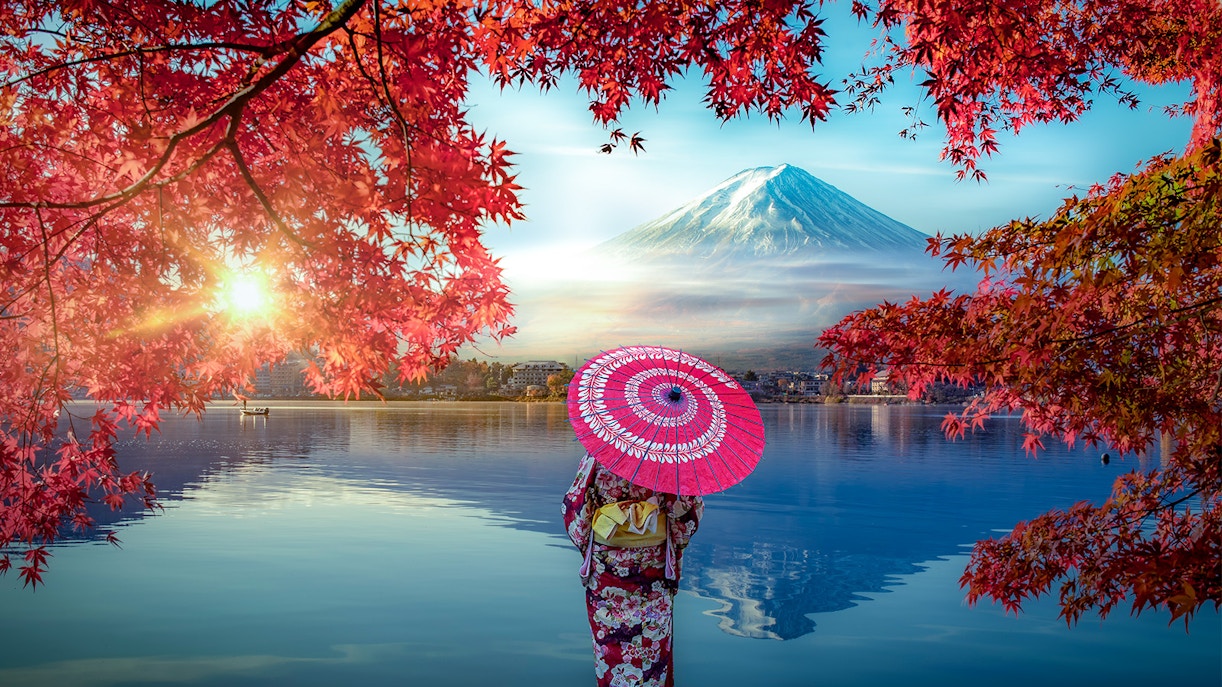
Visit Mt. Fuji | Japan’s Iconic Symbol of Natural Beauty

Discover the majesty of Mt. Fuji, an iconic symbol of Japan's natural beauty. This comprehensive guide will provide you with everything you need to plan your visit and make the most of your experience. From opening hours and best times to visit, to transportation options and nearby attractions, we've got you covered.

What are the Mt. Fuji Opening Hours?

Mt. Fuji Opening Hours

Timings

  • The official climbing season for Mt. Fuji is typically from early July to mid-September. During this time, the mountain huts and facilities along the climbing routes are open to accommodate climbers.
  • The last entry to Mt. Fuji summit trails depend on the season and the trail being used. Generally, the last entry for the Yoshida Trail is at 9:00 AM and for the Subashiri and Gotemba Trails, it is at 10:00 AM.
  • For the descent, visitors are required to start descending from the summit by 2:00 PM to ensure a safe descent before sunset.

Closed On:

  • Mount Fuji is generally closed for hiking from early September until early July due to dangerous weather conditions. However, the exact closure dates may vary from year to year depending on the weather conditions and other factors. 
  • Additionally, some parts of the mountain, such as the summit, may be closed to visitors even during the hiking season due to adverse weather conditions or other safety concerns.

What is the Best Time To Visit Mt. Fuji?

Best Time To Visit Mt. Fuji
  • Early morning or late evening are the best for amazing views of Mt. Fuji.
  • It's worth noting that weekends and public holidays tend to be busier than weekdays. If you prefer to avoid crowds, consider visiting on a weekday.
  • It is important to check weather and trail conditions before planning a climb.
  • Some sections of the mountain may be closed due to volcanic activity.

Mt. Fuji Location

Mt. Fuji Location

Address:

Mount Fuji, Kitayama, Fujinomiya, Shizuoka 418-0112, Japan

Located in the prefectures of Shizuoka and Yamanashi in Japan, Mount Fuji is situated approximately 100 kilometers southwest of Tokyo.

Nearby landmarks include the lakes of the Fuji Five Lakes region and the hot springs of Hakone.

How to Get to Mt. Fuji?

By Train:

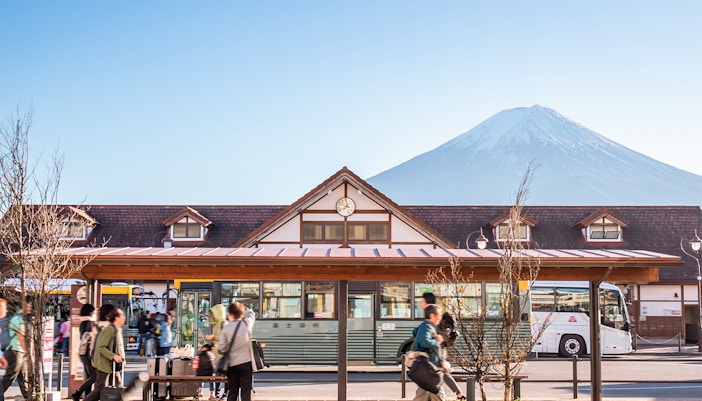
  • From Tokyo: Take a train from Tokyo to Kawaguchiko Station or Fujisan Station. These stations are located near the northern side of Mt. Fuji and provide access to the Fuji Five Lakes area.
  • From Shinjuku, Tokyo: Take the JR Chuo Line to Otsuki Station, and then transfer to the Fujikyu Railway to reach Kawaguchiko Station.
Know more about JR pass

By Bus:

  • From Tokyo: Several bus companies operate direct bus services from Tokyo to the Fuji Five Lakes area, which includes stops near Mt. Fuji. The journey takes around 2-3 hours depending on traffic conditions.
  • From Shinjuku, Tokyo: There are direct highway buses available from Shinjuku Station to Kawaguchiko Station.

By Car:

  • From Tokyo: Take the Chuo Expressway or Tomei Expressway, and then exit onto the respective local roads leading to the Fuji Five Lakes area. It takes about 1.5 to 2.5 hours, depending on traffic and the starting point in Tokyo.
  • From other regions: Access to Mt. Fuji by car is possible via various expressways and connecting roads, depending on the starting location.

Know Before You Go

Mt Fuji Facilities

Mt. Fuji offers various facilities to enhance your visit.

  • Cloakrooms are available to store your belongings, while clean restrooms are conveniently located throughout the area. 
  • You'll also find gift shops offering souvenirs to commemorate your journey.
Mt Fuji - Accessibility
  • While some parts of Mt. Fuji may have limited accessibility, efforts have been made to accommodate visitors with disabilities. 
  • The 5th station is wheelchair accessible.
  • However, the ascent is not recommended for those with mobility issues.
Mt Fuji - Rules & Regulations

Respect the Environment:

  • Do not litter and dispose of trash properly in designated areas.
  • Stay on designated trails to minimize environmental impact and preserve the natural surroundings.
  • Avoid picking or damaging plants, flowers, or wildlife.

Follow Climbing Guidelines:

  • Check weather and volcanic activity updates before attempting to climb.
  • Prepare adequately with proper clothing, footwear, and necessary equipment.
  • Ascend and descend on designated trails and follow the instructions of mountain officials.

Safety Precautions:

  • Inform someone about your climbing plans and estimated return time.
  • Carry enough food, water, and warm clothing, as weather conditions can change rapidly on the mountain.
  • Take breaks and rest when needed to prevent exhaustion or altitude-related health issues.

Respect Local Customs:

  • Follow any specific rules or instructions provided by the local authorities or climbing guides.
  • Respect the customs and traditions of the local communities living around Mt. Fuji.
  • Leave No Trace:
  • Minimize your impact on the environment by leaving natural features, plants, and historical artifacts undisturbed.
  • Carry back any non-biodegradable waste to dispose of properly at the designated locations.
Mt Fuji Dining
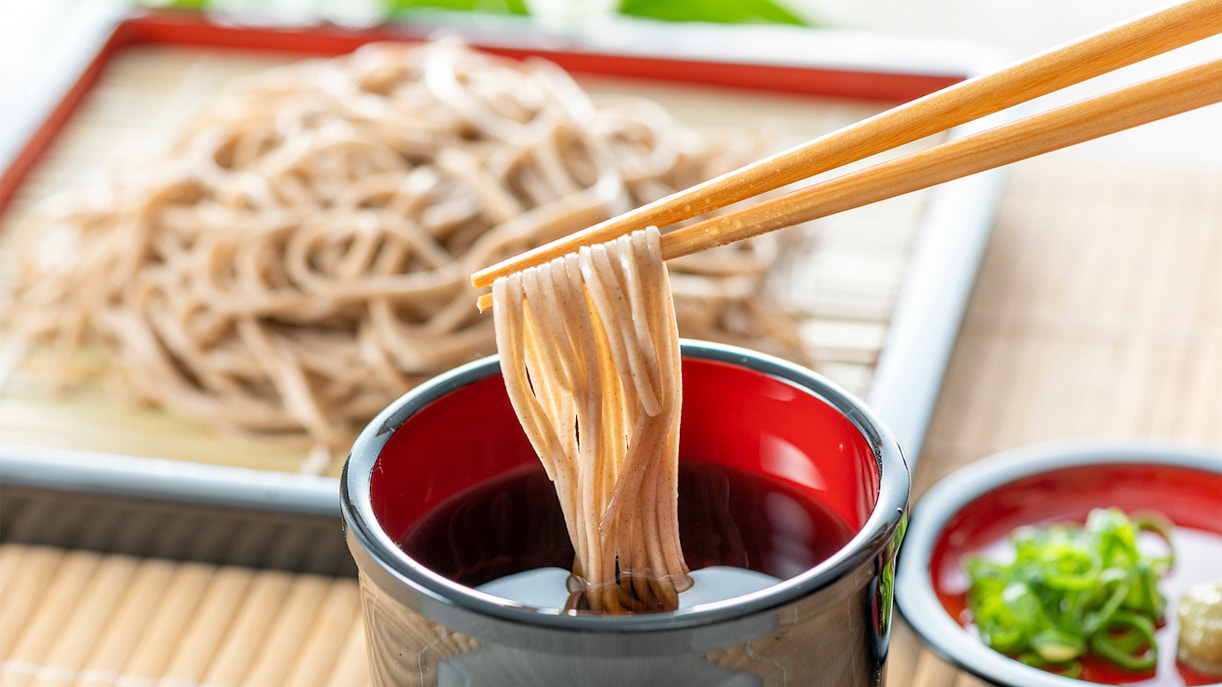
  • Yoshida Udon Noodle Togawa: Located at the Yoshida Trail entrance to Mt. Fuji, this restaurant specializes in soba noodles and offers a variety of other traditional Japanese dishes as well. It's a great spot to fuel up before or after a hike.
  • Sumibi Yakiniku Himawari Te: A good meal, with spectacular upside-down reflections of Mt. Fuji, can be found at Sumibi Yakiniku Himawari Tei.
  • Ramen Kaneyuki: Ramen Kaneyuki is known for serving some of the best ramen in the area, with a variety of delicious and hearty bowls to choose from. The menu features different types of ramen, including the classic shoyu and miso ramen, as well as more unique options like spicy chilli ramen and tomato ramen. 
Mt. Fuji Restaurants
Mt Fuji - Nearby
  • Fuji Five Lakes: A group of five scenic lakes—Lake Kawaguchi, Lake Yamanaka, Lake Saiko, Lake Motosu, and Lake Shoji—offering breathtaking views of Mt. Fuji and various recreational activities.
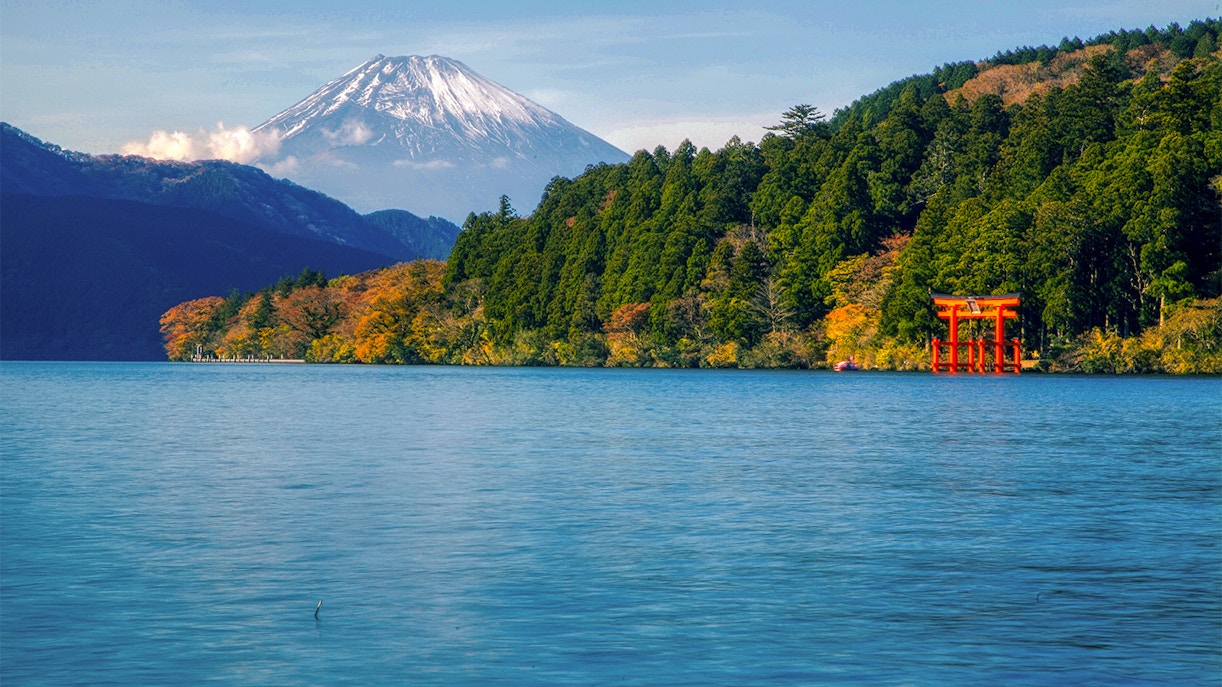
  • Hakone: A picturesque town known for its hot springs, stunning views of Mt. Fuji, Lake Ashi, and the Hakone Open-Air Museum.
  • Chureito Pagoda: A striking red pagoda located in Arakurayama Sengen Park, offering a stunning panoramic view of Mt. Fuji and cherry blossoms during spring.
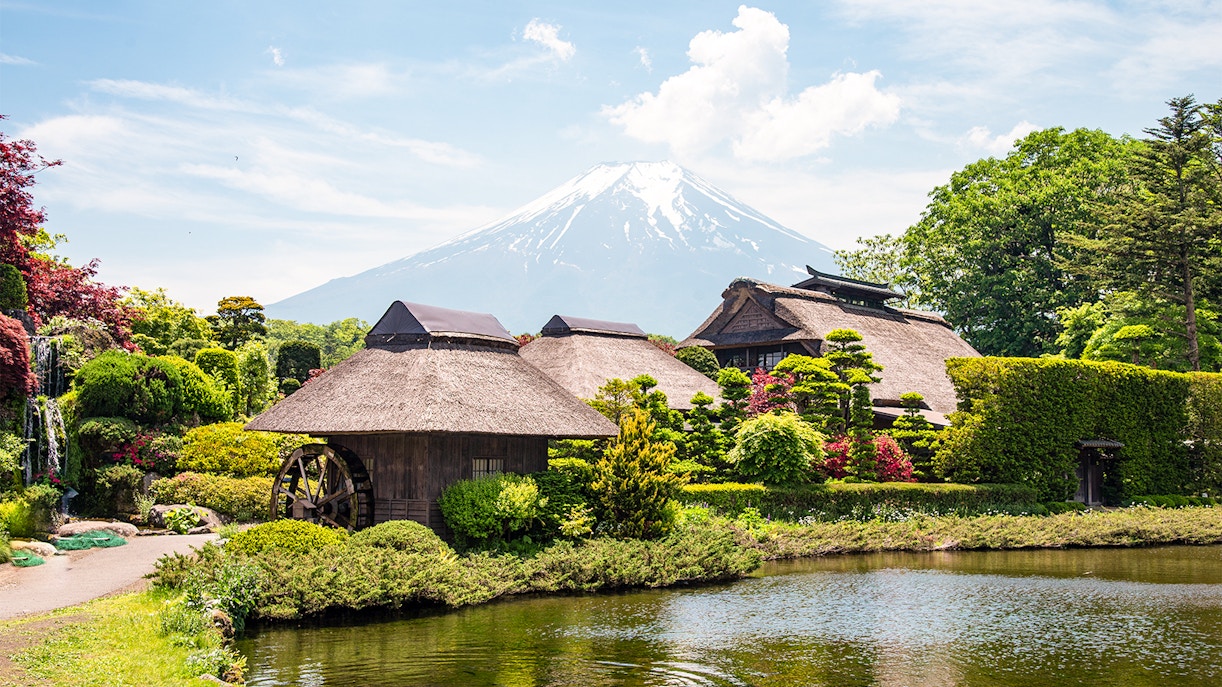
  • Oshino Hakkai: A traditional village with eight clear spring ponds fed by the melted snow from Mt. Fuji, showcasing the serene beauty of the area.
  • Gotemba Premium Outlets: A popular shopping destination with over 200 stores, offering a wide range of international and domestic brands, located at the base of Mt. Fuji.

Places to stay near Mt. Fuji

Explore a range of accommodations near Mt. Fuji, from budget-friendly inns to luxurious resorts:

Budget-friendly options

  • Fujinomiya Green Hotel: Perfect for travelers looking to save without sacrificing comfort. Located conveniently close to the Fujinomiya trail, this hotel offers cozy accommodations and easy access to Mt. Fuji's natural beauty.
  • K's House Mt. Fuji: Ideal for backpackers and solo travelers, K's House offers a friendly atmosphere. With shared and private rooms, it's a great place to meet fellow adventurers.
  • Maruyaso: A traditional Japanese inn offering a taste of local culture. Enjoy tatami mats, futon beds, and an authentic Japanese breakfast. It's a budget-friendly way to immerse yourself in the local way of life.

Mid-range comfort

  • Highland Resort Hotel & Spa: Situated near the Fuji-Q Highland amusement park, this hotel is perfect for families and thrill-seekers. It also offers stunning views of Mt. Fuji from its rooms.
  • Mizno Hotel: Located on the shores of Lake Kawaguchi, Mizno Hotel provides great views of Mt. Fuji. The rooftop terrace is a perfect spot for photography enthusiasts.
  • Hotel Kaneyamaen: Experience traditional Japanese hospitality with modern comforts. Enjoy the on-site hot springs (onsen) and beautifully landscaped Japanese gardens.

Luxury stays

  • Hoshinoya Fuji: Dubbed as Japan's first "glamping" resort, Hoshinoya Fuji blends luxury camping with stunning natural beauty. Each cabin offers a sleek, modern design and panoramic views of the surrounding forest and Mt. Fuji.
  • Fuji Lake Hotel: This luxurious hotel by Lake Kawaguchi mixes Western comforts with Japanese aesthetics. Indulge in the hot spring baths while enjoying the serene lake and mountain views.
  • Asaba: A ryokan that exudes sophistication and tradition. Located in Shuzenji, it's a bit further from Mt. Fuji but offers a secluded, luxurious experience with cultural performances and exquisite kaiseki meals.

Things to Do in Mt. Fuji

Climbing Mt. Fuji

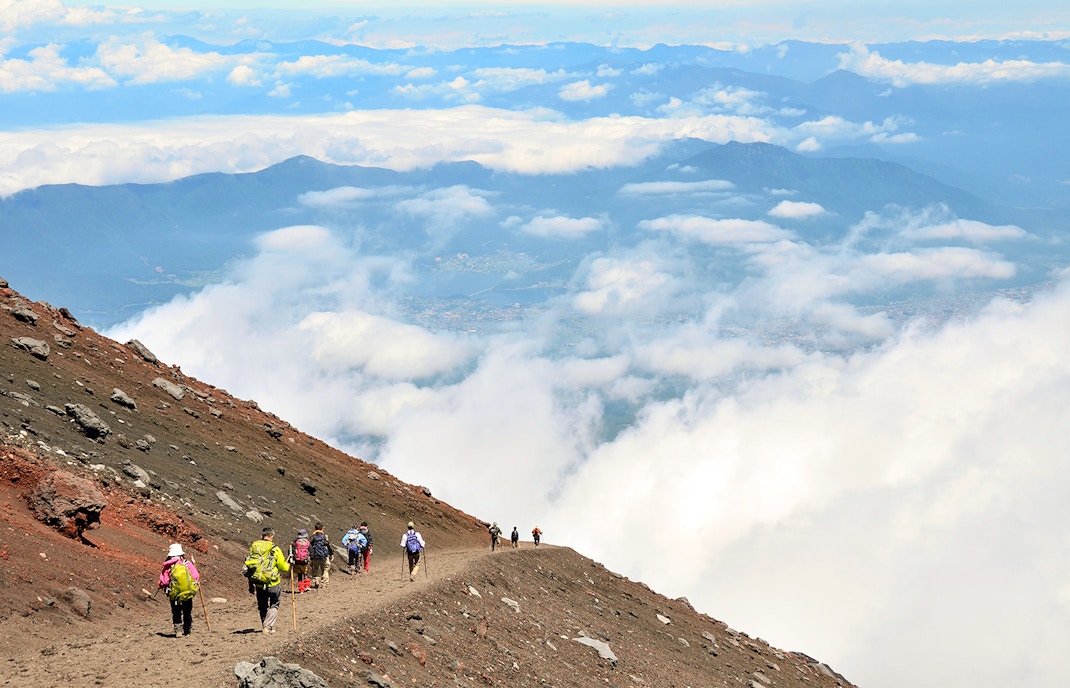
Embark on a thrilling adventure by climbing to the summit of Mt. Fuji, Japan's highest peak, and enjoy panoramic views of the surrounding landscapes.

Explore the Fuji Five Lakes

Visit the scenic Fuji Five Lakes (Lake Kawaguchi, Lake Yamanaka, Lake Saiko, Lake Motosu, and Lake Shoji) for boating, fishing, hiking, or simply relaxing amidst stunning natural beauty.

Visit Fuji-Q Highland

Experience the excitement of Fuji-Q Highland, an amusement park located near Mt. Fuji, featuring thrilling roller coasters, entertainment, and breathtaking views of the mountain.

Take a Lake Ashi Cruise in Hakone

Head to Hakone and enjoy a leisurely cruise on Lake Ashi, offering stunning vistas of Mt. Fuji, scenic landscapes, and the iconic Torii Gate of Hakone Shrine.

Visitor Tips

  • Arrive early to avoid crowds and witness the magic of Mt. Fuji at its quietest.
  • Dress in layers, as temperatures can vary throughout the day. Be prepared for cooler weather at higher altitudes.
  • Bring sunscreen, a hat, and sunglasses to protect yourself from the sun's rays.
  • Stay hydrated by carrying a water bottle and pack some snacks for energy during your visit.
  • Check weather conditions and plan your visit accordingly. Mt. Fuji is often shrouded in clouds, so choose a clear day for optimal visibility.
  • Follow any safety instructions and guidelines provided by the staff.
  • Allocate ample time to explore and fully appreciate the beauty of Mt. Fuji.
  • Don't forget your camera to capture the breathtaking landscapes and unforgettable moments.

Frequently Asked Questions About Visiting Mt. Fuji

Mt. Fuji is located in Yamanashi and Shizuoka prefectures, Japan.