See Mount Fuji with cherry blossoms
Few things capture the magic of Japan like Mt. Fuji framed by cherry blossoms. Every spring, for a period of two to three weeks, the region surrounding Fuji blossoms in shades of soft pink and white. From lakeside trails to temple steps, the contrast of blooming trees and snow-capped mountains makes for unforgettable views and photos. While crowds can feel overwhelming in Tokyo, cherry blossom spots near Mt. Fuji offer a more relaxed and naturally scenic experience.
If you're in Japan from late March to mid-April, this is your chance to see something rare:
Why book a cherry blossom tour to Mt. Fuji?
- Time-sensitive beauty
Peak bloom only lasts 7–10 days—tours help you catch it at the right moment. - Access to Fuji’s best viewing spots
Local guides know exactly where to go and when. - Stress-free transport
No need to navigate seasonal crowds or transfers. - Bonus stops & seasonal snacks
Many tours include lakes, shrines, and local spring treats. - Perfect for first-timers & photographers
It’s a visual dream, whether you’re snapping phone pictures or going pro.
Read more about guided Mt. Fuji tours here >
What to expect on a Mt. Fuji cherry blossom tour
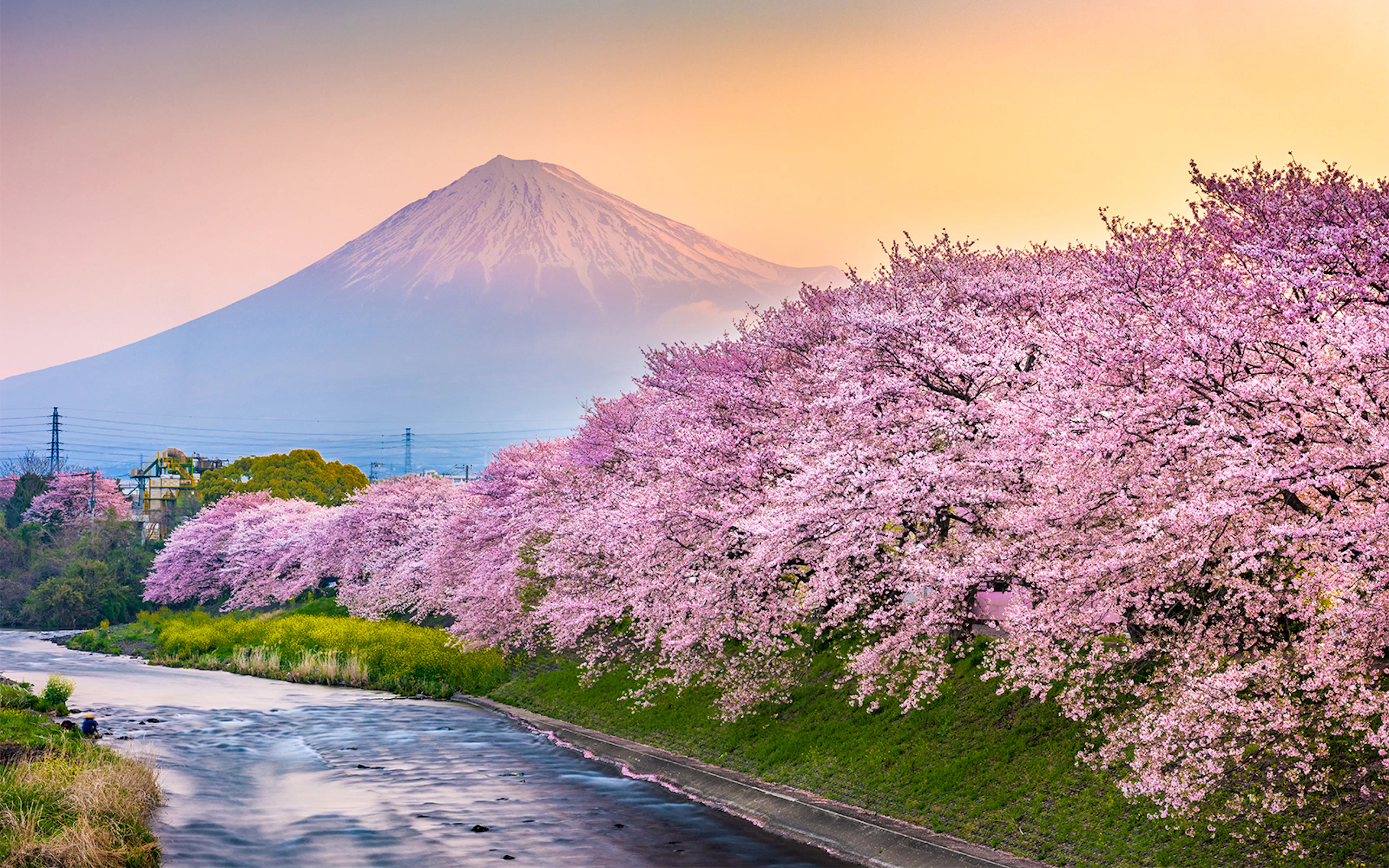
Sakura-framed views of Mt. Fuji
Seeing Mt. Fuji framed by cherry blossoms is one of the most iconic and unforgettable images of Japan. This springtime experience combines natural beauty, cultural charm, and perfect photo moments all built into one seamless day trip.
Tour is designed around peak bloom timing
These tours are designed around historic bloom data to align with the sakura’s full flowering period, typically late March to mid-April. This timing ensures you catch the blossoms at their best, with Mt. Fuji standing tall in the background.
Comfortable day trip logistics
No need to navigate complicated train routes or piece together connections. These tours include round-trip transport, often by comfortable coach or minivan, from central Tokyo or other nearby cities. It’s a full-day trip, fully handled, so you can relax and focus on the experience.
Guided walks and local insight
Walk alongside a knowledgeable local guide who shares the cultural and historical meaning behind each site. They’ll also point out the best photo spots, help you avoid the crowds, and give context to what you’re seeing, making your visit richer and more memorable.
Spring snacks and souvenirs
Spring in Japan also means seasonal treats. Along the way, try sakura mochi, cherry blossom soft serve, and browse stalls selling limited-edition souvenirs like pink-themed wagashi or Mt. Fuji-shaped sweets. It’s a flavor of Japan that you can only get this time of year.
What’s included in the Mt. Fuji & cherry blossom tour
Most spring tours are built around a full-day itinerary with carefully timed stops for blossom viewing. Here’s how it usually goes:
- Round-trip transport
Comfortable buses or vans from Tokyo or Shinjuku. - Sakura-viewing locations
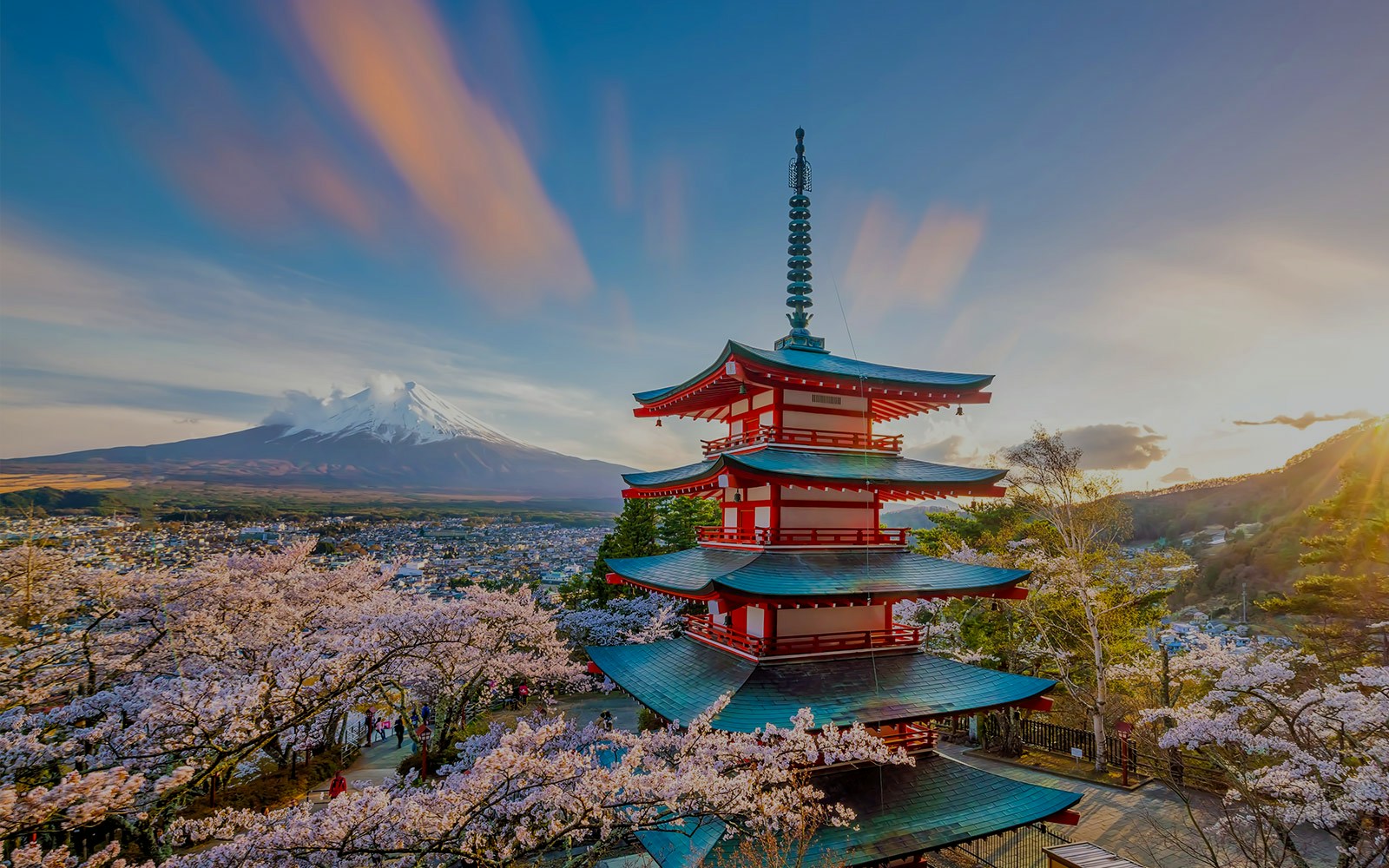
Stops like Lake Kawaguchiko, Arakurayama Sengen Park, and Lake Yamanaka. - Guided sightseeing walks
Learn about Fuji’s cultural symbolism and bloom-season traditions. - Free time for photos & food
Shop, snack, or simply sit under the trees for hanami. - English-speaking guide
Many tours are designed with international visitors in mind.
Tips for catching the peak bloom
Cherry blossoms don’t follow a strict schedule, but these tips can help you hit the sweet spot:
- Aim for late March to early April
Peak bloom near Mt. Fuji is usually 7–10 days behind Tokyo’s. This is because of the mountain terrain and higher altitude conditions. - Track local forecasts
Sites like the Japan Meteorological Agency offer accurate cherry blossom updates. - Go early in the day
The light is better for photos, and the crowds are fewer in the morning. - Dress in layers
It may look like spring, but it still feels like winter in the mornings. - Charge your camera (and phone!)
These scenes are once-a-year beautiful. You’ll be snapping nonstop.
%20Pass%2014.jpg?auto=compress%2Cformat&q=90&crop=faces&fit=crop)
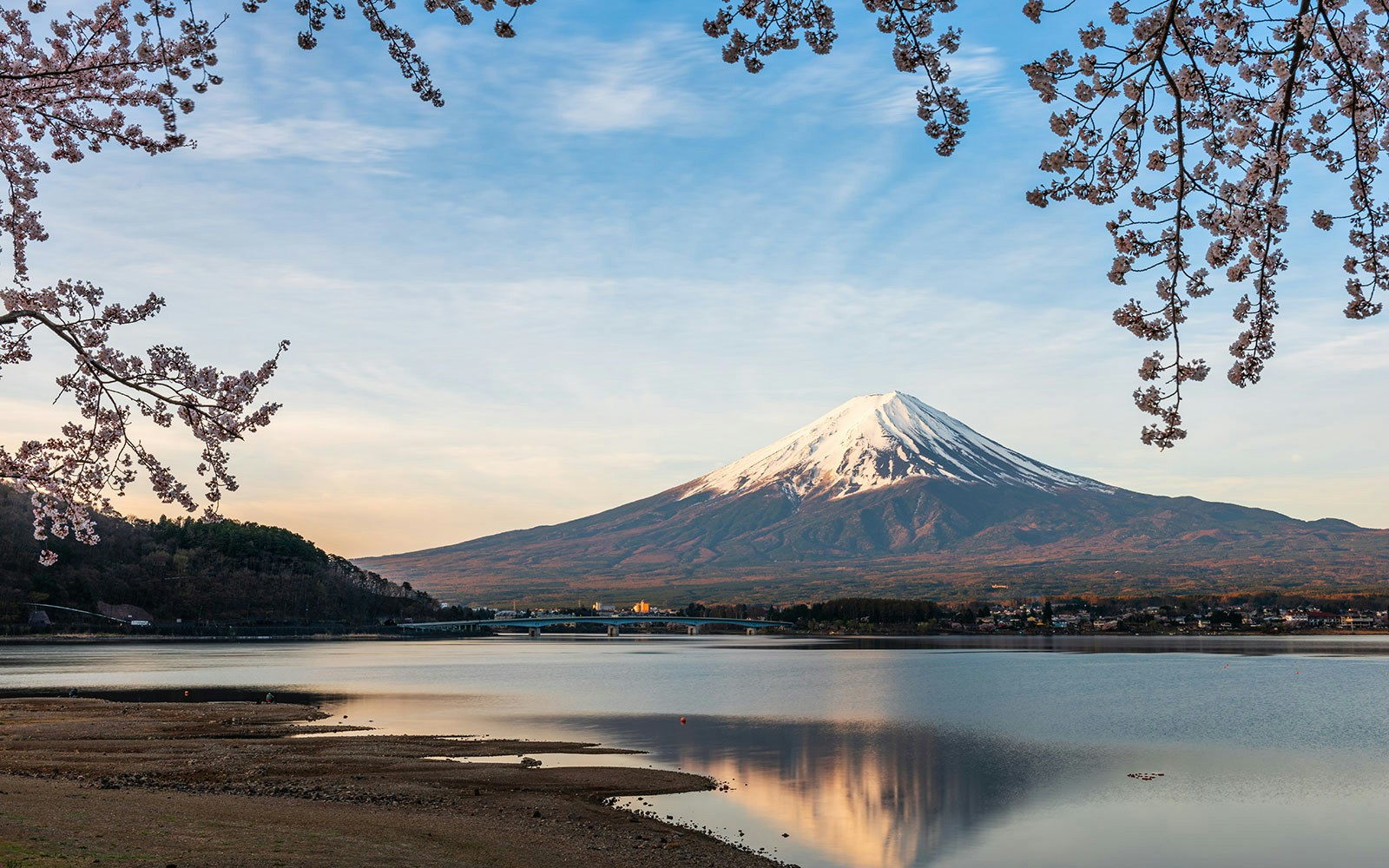
Sakura and snowcaps
The soft pink of cherry blossoms set against Mt. Fuji’s snowy crown is pure magic.
Frequently asked questions about the Mt. Fuji Cherry Blossom Tours
Typically from late March to mid-April. Peak bloom lasts about 7–10 days, depending on elevation and weather.
Nature can be tricky, but tour operators schedule dates accordingly based on years of data to maximize your chances.
No, you’ll view them from the base or nearby lakes and towns, with Fuji in the backdrop.
Yes. The tours are designed as comfortable day trips with early morning departures.
Yes. The tours are scenic, not strenuous, with multiple rest stops and flexible pacing.


