Let the tranquil beauty of Mt. Fuji envelop you. Here, the snow-draped peak rises above lush greenery, creating scenes that have long captured the hearts of those who gaze upon them. It’s a place where the stillness speaks volumes, inviting moments of reflection.
Things to do at Mt. Fuji

A canvas of natural wonder
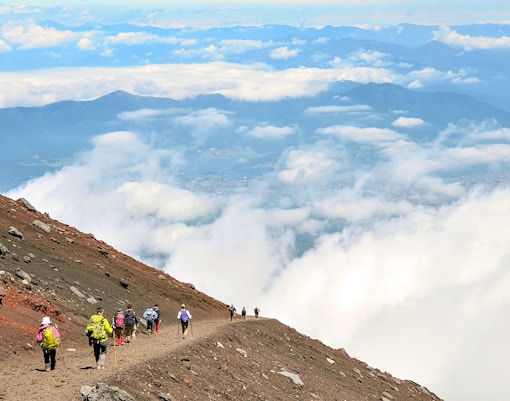
A journey to remember: Scaling Mt. Fuji
Start on the path to Mt. Fuji's summit, a journey that intertwines physical strides with moments of inner discovery. With each elevation gained, the horizon expands, offering a mosaic of the world below that rewards the spirit as much as the eyes.
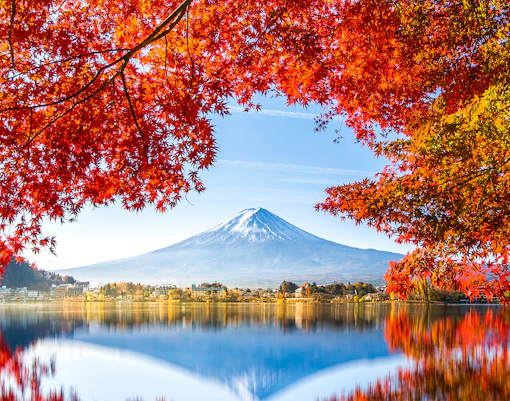
The calm of Lake Kawaguchi
Lake Kawaguchi, resting at Mt. Fuji's feet, acts as a polished glass, reflecting the stoic beauty of the mountain. It’s a place for silent musings, for capturing memories through the lens, or simply for embracing the silence that surrounds its waters.
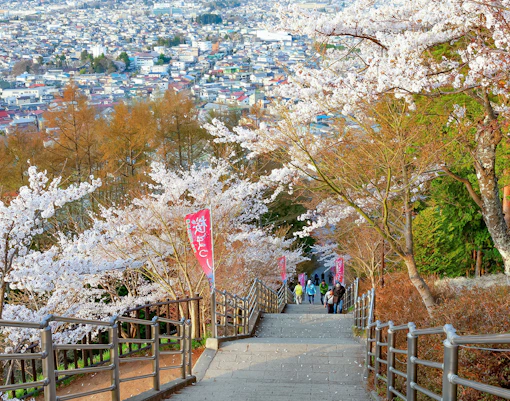
Arakurayama Sengen Park & Oshino Hakkai
Step into a landscape where history and nature blend seamlessly at Arakurayama Sengen Park, with the Chureito Pagoda elegantly poised against Mt. Fuji and cherry blossoms. Then, wander to Oshino Hakkai, where the charm of ancient ponds and a village scene pulls you into Japan’s rich past.

Healing waters with a view: Onsen experience
Submerge in the soothing embrace of an onsen, where the warmth of geothermal waters melds with views of Mt. Fuji’s timeless silhouette. It’s a ritual that washes away the fatigue, connecting you deeply with the earth’s enduring warmth.

Explore local gastronomy
Taste the essence of the region through its cuisine, where each dish tells a story of the land’s fertility and the mountain’s influence. From the freshness of local seafood to the comfort of traditional fare, the flavors here will enrich your journey.
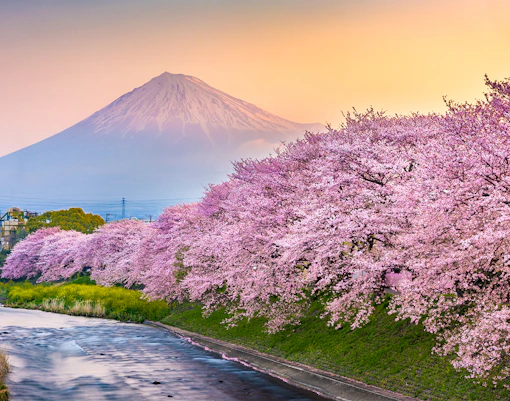
The mountain’s seasonal splendor
Observe Mt. Fuji as it changes with the seasons, each revealing a unique aspect of its character. The pink blush of cherry blossoms, the verdant summer hues, the fiery autumn leaves, and the pristine winter snows all invite a return to see its evolving beauty.
Adventures around Mt. Fuji
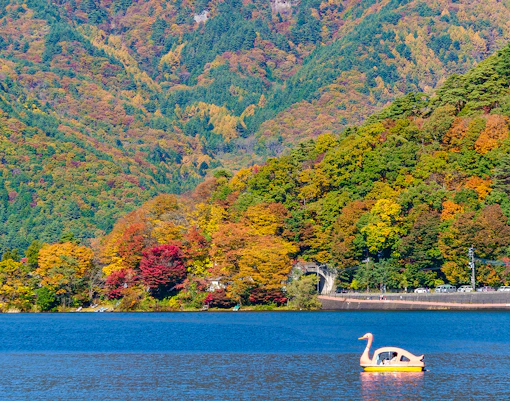
Find balance in activities that stir the heart and soothe the soul around Mt. Fuji. Glide over snow, paddle through the tranquil waters of Lake Kawaguchi, or wander through green paths. In this landscape, adventure and peace are woven together, framed by the mountain’s beauty.
Mt. Fuji’s historical significance
Dating back thousands of years, Mount Fuji has held deep spiritual significance for the Japanese people. It was in the 9th century that the first recorded ascent took place, marking the beginning of its allure as a sacred and revered site. Over the years, countless pilgrims, poets, and artists have been drawn to its majestic beauty, seeking inspiration and enlightenment. Legend has it that Mount Fuji is home to the fire goddess, Konohanasakuya-hime. Her spirit is said to reside within the volcano, adding an air of mystique and enchantment to this already captivating destination.
Did you know that Mount Fuji was officially designated as a UNESCO World Heritage site in 2013? This recognition is a testament to its cultural and historical significance, as well as its breathtaking natural splendor. It has also inspired numerous works of art, literature, and even served as a backdrop for several movies.
One fascinating event associated with Mount Fuji is the annual Fujiwara Festival, held in late summer. This vibrant celebration brings together locals and visitors alike to honor the mountain's awe-inspiring presence through music, dance, and fireworks. It's a spectacle you wouldn't want to miss! A journey to Mt. Fuji is not just a visit to a volcano; it's an encounter with Japan's vibrant history and a chance to create unforgettable memories.
Exploring Mt. Fuji: Culture, festivals, and outdoor adventures
In addition to its majestic beauty and challenging climb, Mt. Fuji has a rich cultural history that makes it a fascinating destination for history buffs and culture enthusiasts. For centuries, the mountain has been a source of inspiration for Japanese art and literature, serving as a symbol of national identity and unity. Visitors can learn more about the cultural significance of Mt. Fuji by visiting the many museums and art galleries in the area.
One such museum is the Mt. Fuji World Heritage Center, which offers interactive exhibits about the natural history and cultural significance of the mountain. The center also features a beautiful observation deck that offers stunning views of Mt. Fuji and the surrounding area.
Visitors can also experience traditional Japanese culture at the various festivals and events that take place at Mt. Fuji throughout the year. The Fuji Shibazakura Festival, held in May, is a popular event that celebrates the blooming of pink moss phlox flowers. Visitors can also attend the Fujiyoshida Fire Festival, held in August, which features traditional Japanese music, dancing, and a dramatic fire procession.
For those interested in outdoor activities, Mt. Fuji offers a range of adventure sports, including skiing, snowboarding, hiking, and mountain biking. The mountain's volcanic terrain also makes it a great spot for hot spring bathing, with many natural hot springs and traditional Japanese onsens located in the surrounding area.
Frequently Asked Questions About Mt. Fuji
Mount Fuji is an iconic symbol of Japan, known for its perfect cone shape, breathtaking beauty, and rich cultural significance. It offers a unique blend of natural wonders and spiritual allure.
Mount Fuji stands proudly at a majestic height of 3,776 meters (12,389 feet), making it the highest peak in Japan.
Yes, Mount Fuji is a popular destination for climbers. The official climbing season is from early July to mid-September, providing the best conditions for ascending to the summit and enjoying panoramic views.
The climb typically takes 6 to 8 hours to reach the summit and 3 to 4 hours to descend. However, it's important to plan and pace yourself according to your fitness level and weather conditions.
While prior climbing experience is not mandatory, a reasonable level of physical fitness and preparation is recommended. It's essential to understand the challenges and come prepared with proper equipment.
Some popular viewing spots near Mount Fuji include Lake Kawaguchi, Chureito Pagoda, and the Fuji Five Lakes region. Each offers unique perspectives and picturesque settings to admire the mountain's beauty.
Yes, you can visit Mount Fuji during the winter, but climbing to the summit is not recommended due to extreme weather conditions. However, you can still enjoy the surrounding areas and breathtaking scenery.
Yes, Mount Fuji is host to various cultural festivals and events throughout the year. The Fuji Shibazakura Festival and the FujiYoshida Fire Festival are particularly popular, offering a glimpse into the local traditions.
Yes, it is possible to visit Mount Fuji on a day trip from Tokyo. There are many guided day trips that allow you to explore the mountain, visit nearby attractions, and return to Tokyo in the evening.
Yes, Mount Fuji is generally safe for visitors. However, it's important to follow safety guidelines, especially during the climbing season. Stay updated on weather conditions, dress appropriately, and listen to the instructions of experienced guides or authorities.


